
Description
The Relational Forms research area engages with medial and textual transits in Ireland and Britain, favouring views from literature and the arts on community and cultural memory, in light of recent historical developments such as Brexit and the ethical liberalisation of Irish society.
The priority given to Ireland in the area’s name is a foundational trait in which Relational Forms takes pride. Indeed, our focus on Irish texts and cultural forms makes us the only structured research venture in Portugal with a sustained and continuous Irish dimension since 2004.
However, our inquiry extends to the textual dynamics that mark other cultures in the British Isles, considered from a doubly exogenous perspective – our Portuguese vantage point, and the critical perspective gained through the Irish bias.
Our goals largely coincide with the following areas of academic inquiry:
- Texts in transit 1, translations, appropriations, rewritings: the area’s research team understands translation as referring to more processes than mere interlingual transit, extending its conceptual and operative range to exchanges that operate across cultures, geographies and times.
- Texts in transit 2, intermedial transfer: the team holds a special interest in dialogues between literature and other arts and media. Indeed, it favours a broad perception that literary and artistic creation under modernity and postmodernity has tended to be relational, rather than monomedial.
- Text in transit 3, interdisciplinary approaches: the team’s concerns include the many encounters of literature and literary studies with other fields of knowledge and research such as cultural studies, historiography, geography, philosophy, etc., to preserve and enhance cultural memory.
The Relational Forms research area hosts an annual conference. The tenth event in the series took place in December 2025, at the Faculty of Arts and Humanities of the University of Porto (FLUP), under the title Relational Forms X – 1925, 2025: Which Twenties? Empathy and Estrangement Across Time in Literature and the Arts. In previous years, and in line with the research area’s goals, it had already addressed other relevant themes as the dialogue between literature and science; literature, the arts and modern finance; or literature and the concept of nation.
Past activivies
-

- 2021 Close Relations – The CETAPS lectures

-
- 2021 Literature and the Arts since the 1960s

-
- 2021 World into Word. The fam Vision of Seamus Heaney

-
- 2020 Relational Forms V. Capital and the Imagination: Literature, Arts and Moderns Finance

-
- 2018 Relational Forms IV. Literature and the Arts since the 1960s: Protest, Identity and the Imagination

-
- 2018 Atlantic communities: Translation, mobility, hospitality

-
- 2017 2nd International Conference Atlantic Communities: Translation | Conflict | Belief | Ideology

-
- 2017 English Literature and the Disciplines of Knowledge, Early Modern to Eighteenth Century – A Trade for Light

-
- 2017 Exchanges Between Literature and Science from the 1800s to the 2000s: Converging Realms

-
- 2015 Relational Forms III Imagining Europe: Wars, Territories, Identities Representations in Literature and the Arts

Related activities
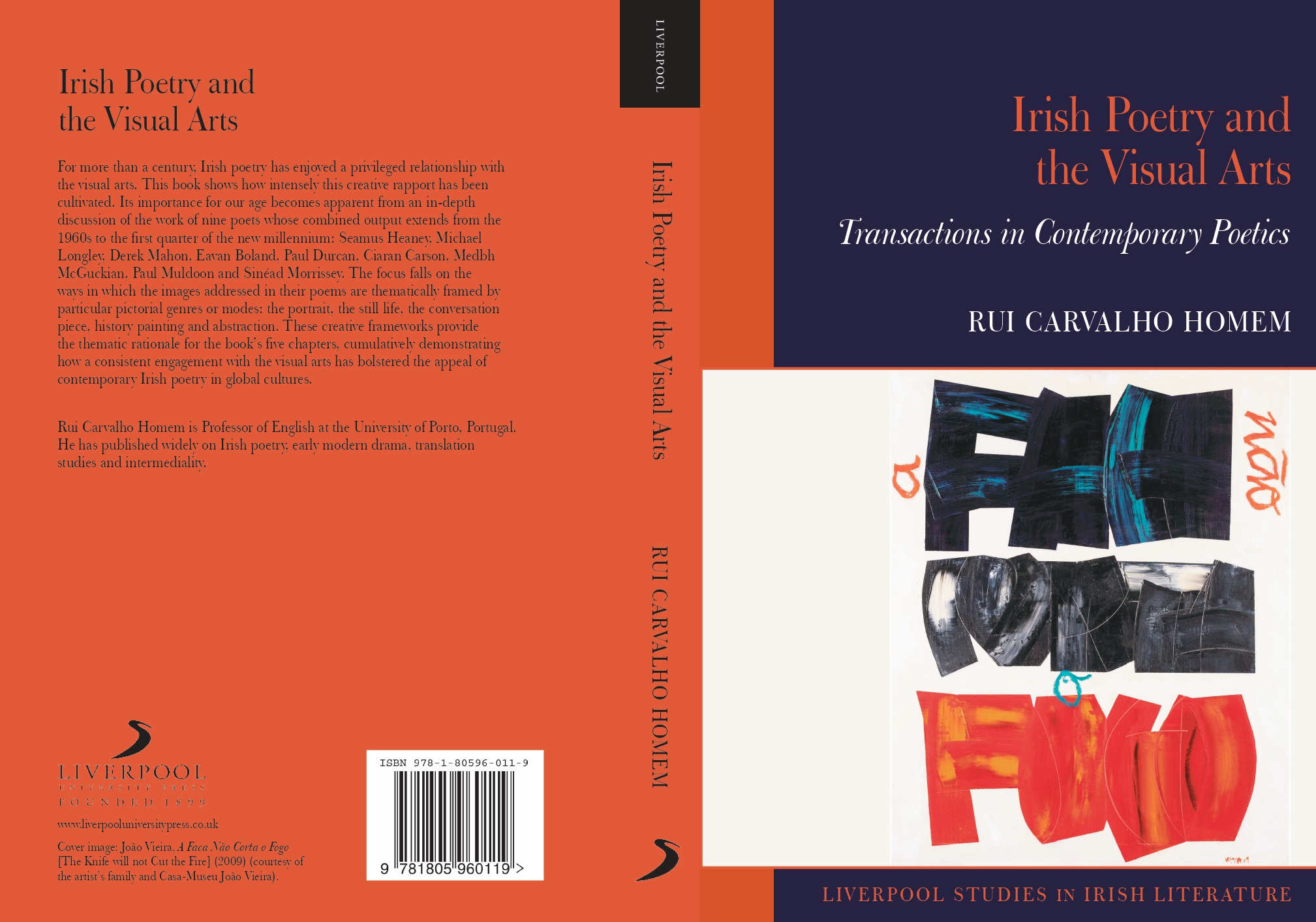
Irish Poetry and the Visual Arts: Transactions in Contemporary Poetics
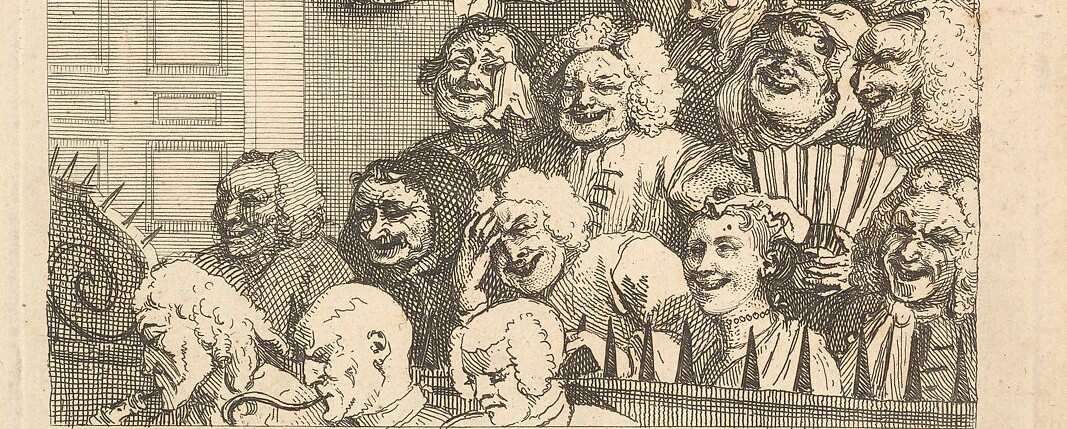
Relational Forms XI – ‘No Laughing Matter’?: Ethics, Politics and Laughter in Literature and the Arts
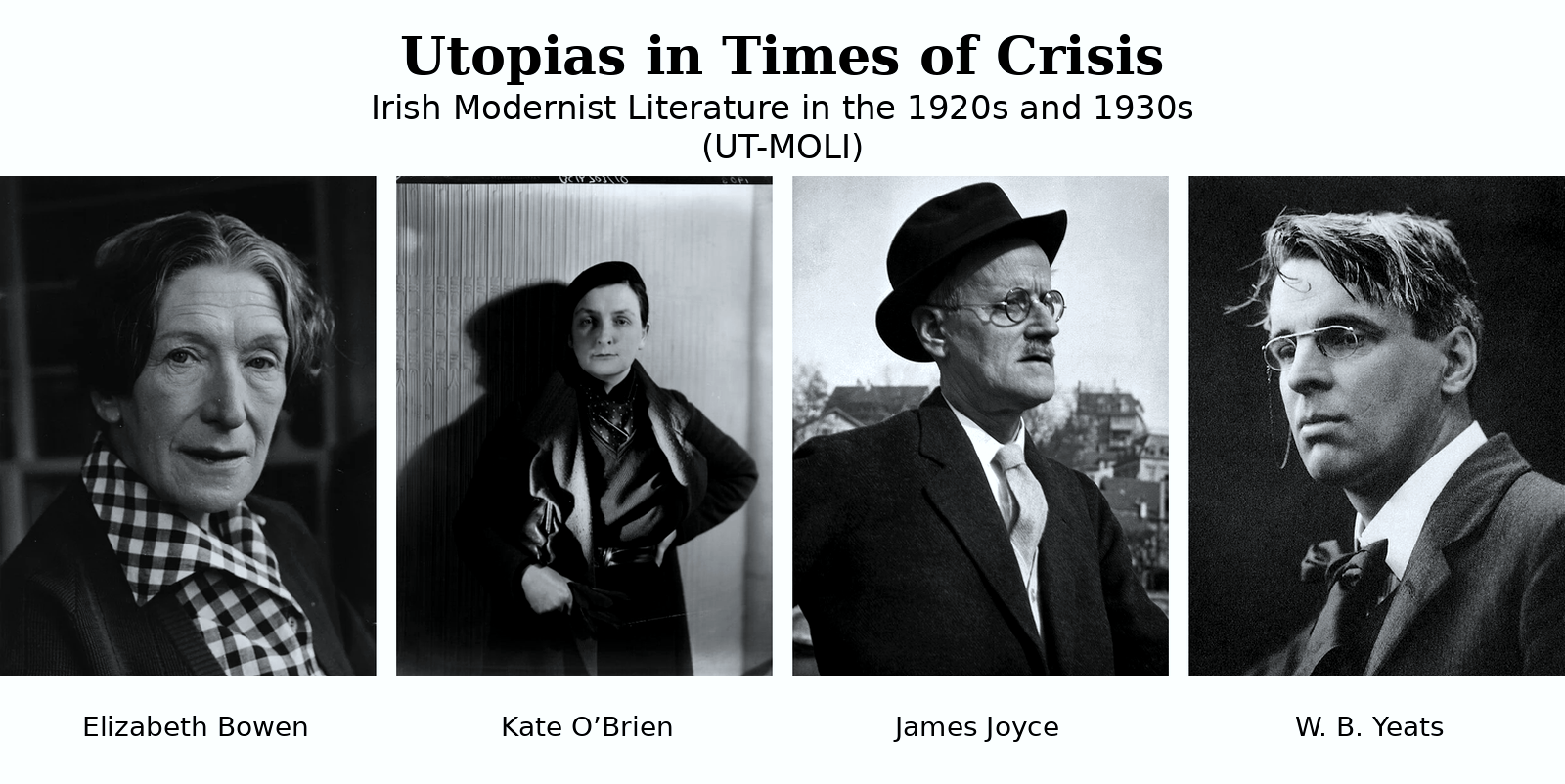
Utopias in Times of Crisis: Irish Modernist Literature in the 1920s and 1930s (UT-MOLI)

Relational Forms X – 1925, 2025: Which Twenties? Empathy and Estrangement Across Time in Literature and the Arts

MORE PRIDE, LESS PREJUDICE: JANE AUSTEN AT 250 – Call for papers

Relational Forms IX – Sustainable Objects?: Books, Screens and Creative Transit in the Cultures of the English Language

Relational Forms VIII Love and Sex in Literature and the Arts since the 1960s

Relational Forms VII Modernity and its Wake: Remembering and Reimagining 1922

Close Relations – The CETAPS Lectures on Literature, Culture, Theatre and Translation

Writing in the Margins: partitioned identities in Irish literature

Relational Forms VI Imag(in)ing the Nation: Literature, the Arts and Processes of National Construction

Borderation: Fictions of the Northern Irish Border
Members

Adriana Bebiano

Ana Rull

Andriana Hamivka

Cláudia Coimbra

Daniel Floquet

Inês Botelho

Katarzyna Pisarska
Katarzyna Pisarska

Márcia Lemos

Mark Wakefield

Rui Carvalho Homem
